Attractive characters have always been part of video game culture, but the best examples are rarely memorable because of appearance alone. A striking visual design might catch a player’s attention, yet personality, writing, voice acting, gameplay presence, and cultural impact are usually what turn a character into a genuine icon.
That is the approach behind these hot video game characters reviews. This is not a scientific ranking of physical attractiveness, because taste is subjective. Instead, it looks at 15 characters who have built major fan followings and examines why their appeal has lasted.
Some are action heroes. Some are RPG companions. Others became internet phenomena almost immediately after appearing in a game. What they share is a combination of strong character design and a presence that goes beyond a single screenshot.
What Do “Hot Video Game Characters” Reviews Actually Mean?
The phrase “hot video game characters” can mean different things to different players.
For some, it simply means visually attractive characters. For others, confidence, personality, intelligence, humor, fashion, voice acting, or combat ability are equally important.
That distinction matters because video games have an advantage over many other forms of entertainment: players spend hours with their characters.
A movie character might have two hours to create an impression. A game character can remain with the player for dozens of hours through dialogue, combat, exploration, cutscenes, and major story decisions.
That additional time can completely change how players view a character.
A character may initially stand out because of visual design but become a favorite because of their personality. Another may not be traditionally glamorous at all, yet develop enormous appeal because of confidence, competence, or emotional depth.
So these hot video game characters reviews focus on the complete package.
How We Evaluated These Characters
Each pick was considered using several factors:
- Visual design: Is the character instantly recognizable?
- Personality: Do they have a memorable voice or attitude?
- Game presence: Do they play an important role in the experience?
- Writing: Is there enough depth beyond appearance?
- Cultural impact: Has the character developed a lasting fan following?
- Longevity: Are players still discussing the character years later?
This is editorial analysis rather than a claim that one character is objectively more attractive than another.
Hot Video Game Characters Reviews: 15 Iconic Picks
Lara Croft
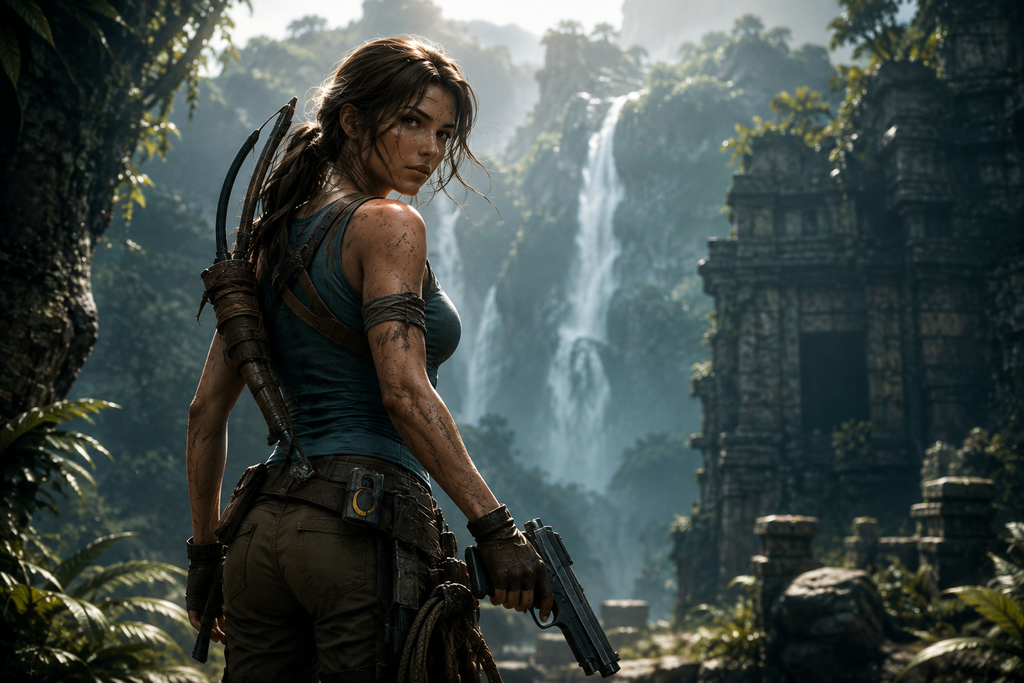
Few characters demonstrate the evolution of video game character design as clearly as Lara Croft.
The original Tomb Raider heroine became one of gaming’s biggest symbols during the 1990s. Her early design was heavily shaped by the visual limitations and marketing culture of that era, but the character gradually developed into something more substantial.
Modern Lara is often defined by determination, intelligence, athletic ability, and survival instincts.
Why she stands out: Lara’s appeal comes from being both visually iconic and fundamentally important to gaming history. Her character design has changed dramatically, yet the core identity remains recognizable.
Review verdict: One of the most important characters on this list because her popularity extends far beyond appearance. Lara Croft is a genuine gaming icon.
Leon S. Kennedy
Leon has developed an enormous fan following, particularly through Resident Evil 2 and Resident Evil 4.
Part of his appeal is the contrast between versions of the character. In Resident Evil 2, Leon begins as an inexperienced rookie facing an impossible situation. By Resident Evil 4, he has become a far more confident and capable government agent.
His redesigned appearance in modern Resident Evil releases also helped introduce the character to a new generation.
Why he stands out: Leon combines action-hero confidence with enough vulnerability to remain relatable.
Review verdict: A strong example of how character appeal can grow alongside a long-running franchise.
Bayonetta
Bayonetta is one of the clearest examples of a character whose appeal is directly connected to confidence.
Her design is deliberately theatrical. Her combat animations, fashion, dialogue, and exaggerated movement all reinforce the same personality: Bayonetta knows exactly who she is.
Importantly, she is also central to the gameplay. The character’s style is inseparable from the fast, expressive combat system.
Why she stands out: The design and gameplay work together rather than feeling disconnected.
Review verdict: Bold, distinctive, and impossible to confuse with another character.
Tifa Lockhart
Tifa has remained one of the most popular characters in the Final Fantasy franchise for decades.
Her visual design certainly contributed to her early popularity, but her continued appeal is better explained by her role within the story. Tifa is compassionate, emotionally important, and physically formidable.
Her fighting style also gives her a unique identity. Instead of relying on a traditional weapon, she uses martial arts, making her feel distinct in combat.
Why she stands out: Tifa balances warmth and vulnerability with impressive physical capability.
Review verdict: One of gaming’s most enduring examples of character appeal supported by strong narrative relationships.
Geralt of Rivia
Geralt’s popularity proves that “hot” character discussions are not limited to conventionally polished heroes.
The white-haired monster hunter is gruff, sarcastic, experienced, and often emotionally guarded. His appeal comes largely from personality and competence.
In The Witcher 3: Wild Hunt, players spend a huge amount of time controlling Geralt and making choices that shape his relationships. That interaction creates a stronger connection than appearance alone could achieve.
Why he stands out: Geralt feels lived-in. His personality is shaped by years of experience, difficult choices, and a world that rarely offers simple answers.
Review verdict: A character whose charisma is built primarily through writing and performance.
2B
2B from NieR: Automata quickly became one of the most recognizable modern gaming characters.
Her design is immediately identifiable, but reducing her popularity to appearance misses much of what makes her memorable. NieR: Automata uses its characters to explore identity, purpose, loss, and consciousness.
The game’s shifting structure also changes the player’s understanding of the cast.
Why she stands out: Strong visual design is supported by a character-driven story that gives the player reasons to care.
Review verdict: One of the best examples of a character becoming a pop-culture symbol while still serving a meaningful narrative role.
Ada Wong
Ada Wong’s appeal is closely tied to mystery.
Throughout the Resident Evil series, she is often positioned as someone whose motives are difficult to fully understand. Her relationship with Leon adds another layer without completely defining her character.
Her distinctive red outfits have also made her instantly recognizable across different versions of the franchise.
Why she stands out: Ada benefits from strategic distance. The series rarely explains everything about her, allowing her mystery to remain part of the appeal.
Review verdict: Stylish, unpredictable, and one of Resident Evil’s most consistently intriguing characters.
Cloud Strife
Cloud’s popularity has survived multiple generations of Final Fantasy fans.
At first, he can appear to fit the classic cool RPG protagonist archetype. As the story develops, however, his identity becomes far more complicated.
That combination of iconic visual design, emotional vulnerability, and an unforgettable role in gaming history explains his staying power.
Why he stands out: Cloud’s appearance is memorable, but his deeper appeal comes from the gradual dismantling of his seemingly confident exterior.
Review verdict: A classic example of a character becoming more interesting as players understand him better.
Chun-Li
Chun-Li is not just one of the most recognizable women in fighting games. She is one of the most recognizable characters in gaming.
Her instantly identifiable design, powerful kicks, and role in Street Fighter history give her enormous cultural significance.
The important point is that Chun-Li’s appeal is strongly connected to capability. Players remember her because she is a competitive fighting game character with a distinctive combat identity.
Why she stands out: Her design communicates strength as effectively as style.
Review verdict: A foundational gaming icon whose popularity cannot be separated from her gameplay legacy.
Karlach
Karlach became a fan favorite through Baldur’s Gate 3 because personality does so much of the work.
She is energetic, emotional, funny, and direct. Her story also gives her character significant vulnerability beneath an intimidating exterior.
The relationship system allows players to develop a deeper connection with her, making her popularity an excellent example of how player choice can influence character attachment.
Why she stands out: Karlach feels expressive and emotionally accessible.
Review verdict: A modern RPG example of personality outperforming conventional ideas about character attractiveness.
Johnny Silverhand
Johnny Silverhand’s appeal is built around attitude.
He is charismatic, confrontational, selfish, and frequently difficult to agree with. That complexity is essential because a simpler version of the character would probably become exhausting.
Instead, Cyberpunk 2077 uses his presence to create constant tension between the player’s character and an influential figure from the past.
Why he stands out: Charisma does not require a character to be morally perfect.
Review verdict: One of the strongest examples of personality-driven appeal in a modern RPG.
Lady Dimitrescu
Lady Dimitrescu became a major internet phenomenon before many players had even experienced her role in Resident Evil Village.
Her popularity demonstrates the power of a highly effective reveal. Her visual design, imposing presence, and confident personality immediately created interest.
The online reaction was so large because the character offered a distinctive alternative to more conventional horror villains.
Why she stands out: Excellent presentation and immediate recognizability.
Review verdict: A reminder that a relatively limited amount of screen time can still create massive cultural impact.
Nathan Drake
Nathan Drake’s appeal is less about dramatic visual styling and more about personality.
He jokes under pressure, makes mistakes, and often appears to be improvising his way through dangerous situations. That gives him a more approachable quality than the traditional invincible action hero.
His relationships, particularly with Elena and Sully, are equally important.
Why he stands out: Nathan succeeds because his charisma is conversational rather than overly theatrical.
Review verdict: One of gaming’s most effective everyman-style action heroes.
Yennefer of Vengerberg
Yennefer brings intelligence, confidence, and emotional complexity to The Witcher universe.
She can be intimidating, but her personality becomes more layered as players learn about her relationships and motivations.
Her popularity also benefits from the role-playing structure of The Witcher 3, where players can influence Geralt’s romantic relationships.
Why she stands out: Yennefer’s appeal is closely connected to independence and emotional complexity.
Review verdict: A character who rewards players willing to look beyond first impressions.
Sephiroth
Sephiroth remains one of gaming’s most recognizable villains because almost every part of his presentation works together.
The long silver hair, black clothing, enormous sword, controlled voice, and intimidating presence create a character who looks and behaves like a mythic threat.
His connection to Cloud also ensures that his role is personal rather than simply destructive.
Why he stands out: Sephiroth proves that villainous charisma can be as powerful as heroic charm.
Review verdict: One of the strongest examples of style, narrative importance, and cultural impact aligning perfectly.
Why Character Appeal Is More Than Physical Appearance
The biggest lesson from these hot video game characters reviews is that appearance is usually only the entry point.
Players remember:
- Great dialogue
- Difficult choices
- Emotional story moments
- Memorable voice performances
- Combat abilities
- Character relationships
- Distinctive animations
- Fashion and visual identity
Interactivity also changes the equation.
A player may spend 80 hours with an RPG companion, choose dialogue options that affect their relationship, and experience major story events together. That naturally creates a different type of attachment from simply watching a character in a film.
The strongest game characters take advantage of that extra connection.
The Importance of Character Design in Video Games
Good character design has to work under more conditions than a single illustration.
A character might need to be recognizable:
- During fast combat
- From a distance
- In cinematic scenes
- Through animation
- In promotional artwork
- Across sequels and redesigns
That is why silhouettes and distinctive visual elements matter.
Lara Croft’s dual pistols, Cloud’s massive sword, Sephiroth’s Masamune, and Chun-Li’s fighting stance all contribute to immediate recognition.
A visually attractive design can attract attention, but recognizability is what helps a character survive for decades.
Which Games Handle Attractive Characters Best?
Different genres approach character appeal differently.
Role-playing games often have the advantage of time. Long stories and companion systems can gradually develop emotional attachment.
Action games frequently rely on movement, animation, and confidence. Bayonetta is an excellent example because her personality is expressed directly through gameplay.
Fighting games need instant recognition. Characters such as Chun-Li must communicate identity quickly because players often encounter them in fast matches.
Horror games can use contrast. Characters such as Ada Wong or Lady Dimitrescu become memorable partly because style exists alongside danger.
The best approach depends on the game itself. There is no universal formula.
Common Problems With “Hot Character” Rankings
These rankings can become repetitive when they focus entirely on screenshots.
That creates several problems.
First, it ignores personality and writing.
Second, it tends to reward only characters who fit narrow standards of attractiveness.
Third, it can overlook the role gameplay plays in character appeal. A character who feels incredible to control can become far more memorable than one with a technically detailed model.
A stronger ranking asks a broader question:
Why do players continue to care about this character?
That question produces more useful answers than simply asking who looks best.
Final Verdict
The best hot video game characters reviews should not pretend that attractiveness can be objectively measured. Gaming communities will always disagree, and that disagreement is part of the fun.
What can be analyzed is why certain characters become icons.
Lara Croft represents longevity. Leon Kennedy combines vulnerability with action-hero confidence. Tifa and Yennefer demonstrate the importance of emotional relationships. Bayonetta shows how gameplay and personality can become inseparable. 2B proves that striking design can coexist with ambitious storytelling. Meanwhile, characters such as Geralt, Karlach, and Nathan Drake demonstrate that charisma often matters more than conventional beauty.
The strongest characters are not simply designed to be looked at.
They are written, animated, performed, and integrated into games in ways that give players reasons to remember them long after the credits roll.
FAQ
What are hot video game characters?
The term usually refers to video game characters players find physically attractive, stylish, charismatic, or appealing because of their personality and presence.
Who is the most popular attractive video game character?
There is no official answer because popularity and attraction are subjective. Characters frequently discussed include Lara Croft, Tifa Lockhart, Leon Kennedy, Bayonetta, 2B, and Geralt of Rivia.
Why do some video game characters become so popular?
Strong character design, memorable writing, voice acting, gameplay presence, and cultural impact can all contribute to long-term popularity.
Are these hot video game characters reviews based only on appearance?
No. The reviews also consider personality, narrative importance, visual design, gameplay presence, and cultural impact.
Do RPGs create stronger attachment to characters?
They often can because players spend more time with characters and may influence relationships through dialogue and choices.
Why are character designs important in games?
Characters must often remain recognizable during gameplay, cutscenes, marketing, and sequels. Strong visual identity helps make them memorable.
Can a villain be considered an attractive gaming character?
Absolutely. Characters such as Sephiroth demonstrate that charisma, confidence, style, and narrative importance can create strong fan appeal regardless of whether the character is heroic.
Will everyone agree with this ranking?
No. Character attraction and popularity are highly subjective. This article evaluates iconic characters and explains the reasons behind their appeal rather than claiming to establish an objective ranking.
LEAVE A PIXEL ZINE COMMENT